
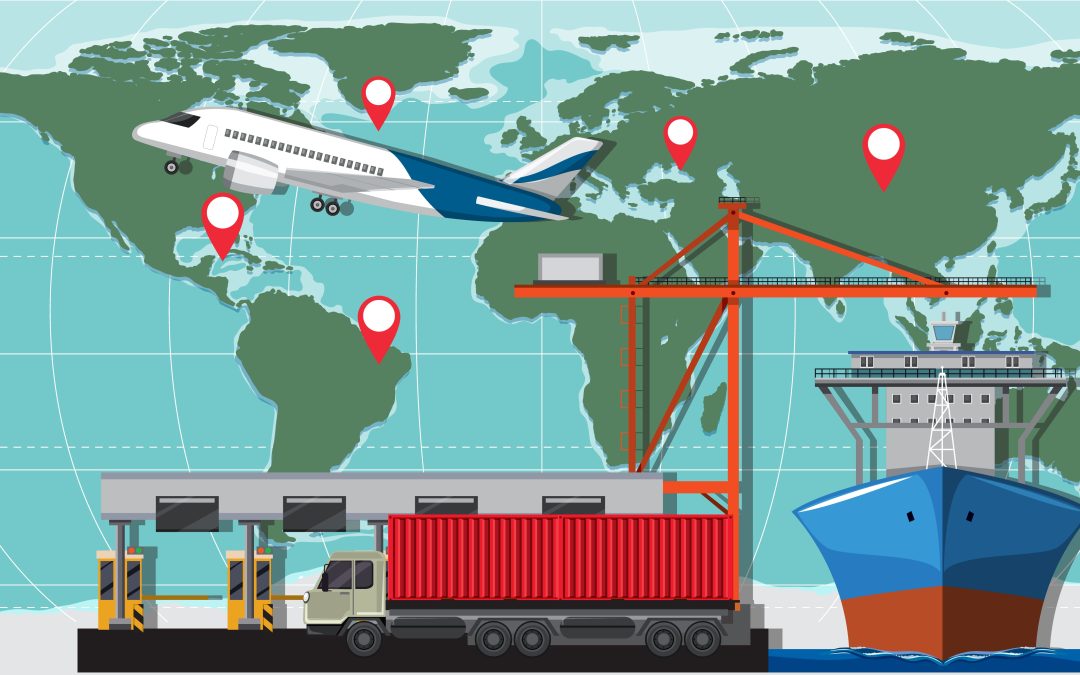
When sending something abroad, terms like Courier vs Cargo vs Freight are often used interchangeably. But they actually work very differently.
Choosing the right option isn’t just about cost. It depends on what you’re sending, how urgently it needs to reach, and how much it weighs.
Whether it’s documents, food, gifts, or larger shipments, understanding the difference helps you avoid delays, extra costs, and confusion.
This guide breaks it down in a simple way so you can choose what works best for your shipment.
Introduction: Why Choosing the Right Shipping Method Matters in 2026
Sending something abroad isn’t just about logistics anymore.
For many families in Bangalore, it’s about sending a piece of home.
It could be documents for a student, sweets for a festival, or essentials for someone starting a new life overseas.
But when it comes to choosing between courier, cargo, and freight, most people get confused.
What Are Courier, Cargo, and Freight in International Shipping?
To navigate the logistics world, one must first define the three primary modes of transport:
- Courier Services: These are premium, door-to-door solutions for small parcels. A single provider manages the entire journey, from picking up the package at your home to clearing customs and delivering it to the recipient’s doorstep.
- Cargo Shipping: This refers to medium to heavy shipments that are usually consolidated. It uses available space in passenger or cargo aircraft or dedicated cargo planes. It is the middle ground between small parcels and large-volume shipments.
- Freight Shipping: This is the backbone of bulk logistics. It involves large-scale commercial movements via air or sea, typically palletized or containerized, and often operates on a port-to-port or warehouse-to-warehouse basis.
The end-to-end journey for these methods generally follows a path of pickup, consolidation at a local hub, customs filing, international transit, destination customs clearance, and finally, last-mile delivery.
What Has Changed in Global Shipping in 2026
The shipping industry in 2026 is defined by several key shifts:
- Enhanced Air Networks: Improvements in flight frequency from Indian hubs have shortened delivery windows for both courier and cargo.
- Personalized Demand: There is a marked increase in “emotional shipments,” such as traditional foods and festival gifts, which require specialized handling protocols.
- Tech-Driven Visibility: Customers now expect real-time, granular tracking and absolute transparency in pricing.
- Stricter Compliance: Recent changes in customs processes have made documentation and KYC more important than ever.
Types of Shipping Methods Explained
International Courier Services (Fast & Personal)
This is the most convenient option for urgent and small shipments. With delivery timelines typically ranging from 2 to 5 days depending on destination, it is the standard for university applications, legal documents, and sentimental gifts. The primary benefit is the seamless door-to-door experience where the logistics provider handles all the “heavy lifting” regarding paperwork.
Air Cargo Shipping (Balanced & Practical)
Air cargo is the ideal solution for shipments weighing between 20kg and 200kg. It is frequently used for excess baggage shipping and household relocations. While it may require a bit more involvement in terms of pickup or terminal handling, the cost savings for heavier items are substantial compared to express courier rates.
Freight Shipping (Bulk & Cost-Efficient)
Freight is the domain of exporters and manufacturers. While air freight offers speed for high-value commercial goods, sea freight remains the most economical choice for bulk items that are not time-sensitive. It allows businesses to scale their global reach while maintaining healthy margins.
Courier vs Cargo vs Freight: Key Differences at a Glance (Comparison Table)
Who Uses Each Shipping Method and Why
- Individuals and NRIs: Primarily use International Courier Services for sending food and gifts, while utilizing Cargo for moving keepsakes or household items.
- Students Studying Abroad: Use Courier for transcripts and Cargo for excess baggage and study essentials.
- eCommerce and D2C Brands: Rely on Courier for individual customer orders and Freight for restocking international warehouses.
- Exporters and Manufacturers: Use Freight as their primary mode for large-scale commercial exports to maintain cost-efficiency.
- Relocation / Moving Abroad: Families relocating abroad often prefer cargo to move personal belongings and household items more affordably.
How to Choose Between Courier, Cargo, and Freight
Choosing the right option becomes easier when you look at it this way:
- Under 20kg → Courier works best
- 20kg to 200kg → Cargo is more practical
- Bulk shipments → Freight is the right fit
If your shipment is urgent, courier is usually preferred. If you want to save on heavier shipments, cargo or freight is more cost-effective.
International Shipping Costs Explained
Pricing in 2026 is determined by several factors:
- Chargeable Weight: Logistics providers charge based on either actual weight or volumetric weight (Length x Width x Height / 5000), whichever is higher.
- Zones: Shipping to the US or UK will differ significantly from shipping to Singapore based on regional fuel and landing fees.
- Tools: Using an international courier calculator can help you estimate costs before packing your shipment.
Understanding Customs Clearance for International Shipments
Customs is often where shipments face the most friction. In 2026, you must provide a detailed invoice, valid KYC (Aadhaar or Passport), and an accurate packing list. Common delays occur due to vague descriptions like “Gift” instead of “Cotton Shirt.” Prohibited items, such as certain electronics, liquids, and perishable goods depending on destination country rules must be checked against the destination country’s specific regulations to avoid seizures.
Real-Life Shipping Scenarios
- Scenario A: Sending Diwali sweets to a relative in New York. A courier service is usually preferred here since food items need faster delivery and careful handling.
- Scenario B: A student moving to Germany with 40kg of extra luggage. Air Cargo is the logical choice to avoid the exorbitant “extra bag” fees charged by airlines at the check-in counter.
Global Delivery Companies vs Local International Logistics Partners
While large global delivery companies offer vast networks, they often lack the personalized support required for complex personal shipments. A local partner, especially a Bangalore-based specialist like Airshippers Couriers, understands the local market. They offer doorstep pickup from dense urban areas and provide specific advice on packing traditional items that large global systems may not always handle.
Common Mistakes to Avoid
The most frequent error is choosing a courier for a very heavy shipment, which results in a massive bill. Other pitfalls include neglecting proper documentation, using flimsy packaging for fragile items, and failing to check the destination country’s “de minimis” (tax-free) threshold, which can lead to unexpected taxes for the recipient.
Why Choosing the Right Shipping Partner Matters
Trust matters a lot in international shipping. A reliable partner ensures that your personal belongings or commercial goods are handled with care, that documentation is filed correctly to avoid “customs traps,” and that you have a human point of contact when you need an update.
Conclusion: Making the Right Choice in 2026
There isn’t one single ‘best’ way to ship. It depends on what you’re sending and how quickly it needs to reach.
- Courier for speed and convenience.
- Cargo for a balance of cost and capacity.
- Freight for scalability and bulk efficiency.
By matching your shipment to the right method, you ensure that your parcel arrives safely, and without unnecessary stress.
Not sure which option is right for your shipment?
Whether you’re sending documents, food, gifts, or extra luggage from Bangalore, we’ll help you choose the safest and most practical option.
📲 Message us on WhatsApp for a quick recommendation
📦 Schedule a doorstep pickup from Bangalore
❤️ Send your parcel abroad with care, just the way you intended